
Installing a Ductless Mini-Split System: What Homeowners Need to Know
Installing a ductless mini-split system has become one of the most practical and energy-efficient ways to manage indoor comfort in modern homes. Unlike traditional HVAC systems that rely on extensive ductwork, mini-splits provide targeted heating and cooling through compact indoor units connected to an outdoor compressor. This design reduces energy loss, improves zoning control, and offers flexibility for homes where duct installation is impractical or too costly. As energy efficiency standards continue to tighten, homeowners are increasingly turning toward ductless solutions to maintain comfort while managing utility costs.
The growing demand for ductless mini-split installation is also driven by renovation trends, home expansions, and the need for room-specific temperature control. Whether upgrading an older property or improving a newly built space, understanding how these systems work and what installation involves is essential. A properly installed mini-split system not only enhances comfort but also increases property value and long-term efficiency.
Understanding Ductless Mini-Split Systems
How the System Works
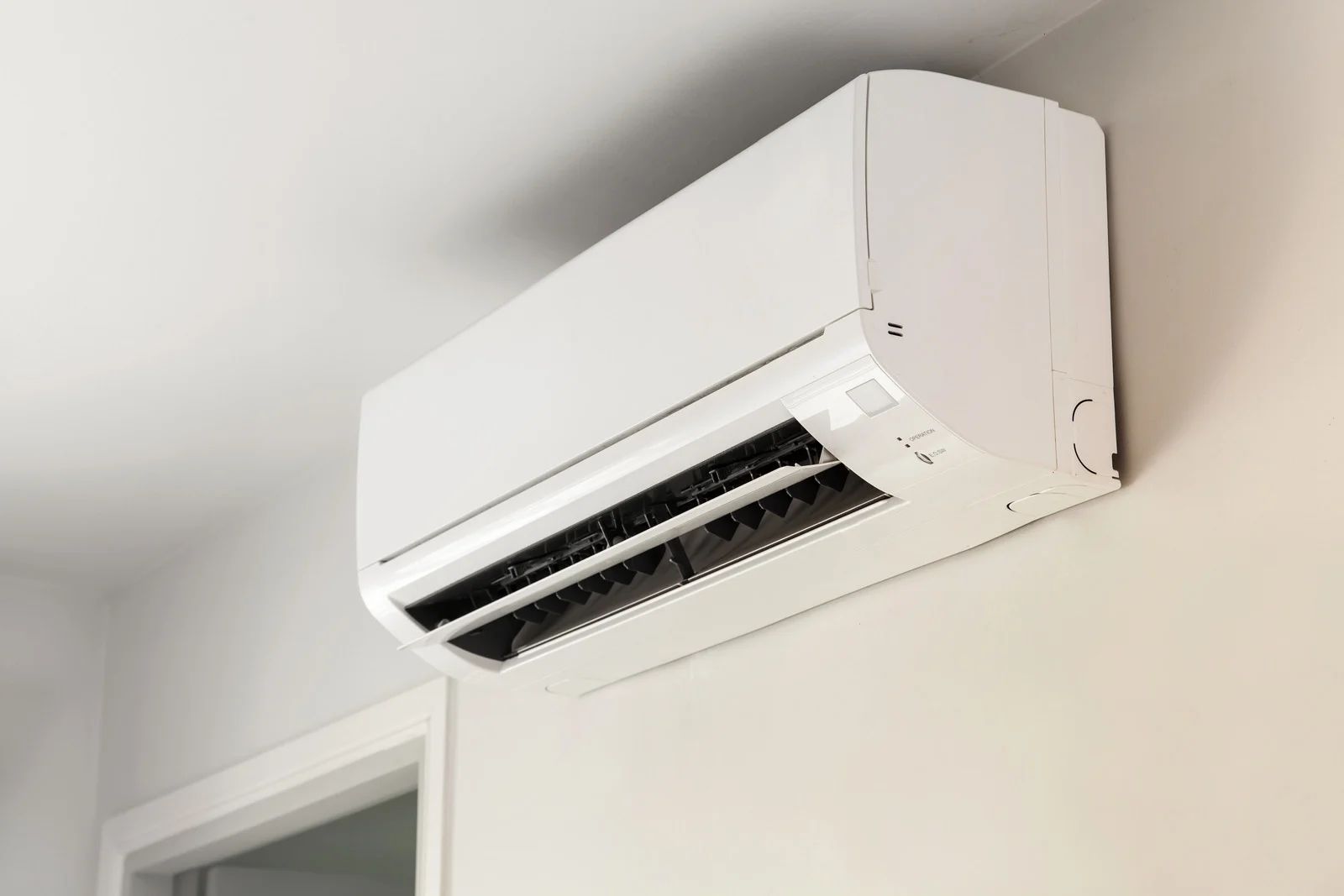
A ductless mini-split system operates using two primary components: an outdoor compressor/condenser and one or more indoor air-handling units installed in different rooms. These components are connected by refrigerant lines and electrical wiring rather than traditional ductwork systems. The system efficiently transfers heat between indoor and outdoor environments, depending on whether cooling or heating is required throughout seasonal changes.
Zoned Comfort Control
One of the most valuable features of mini-split systems is zoning capability, which significantly improves personalized comfort levels. Each indoor unit operates independently, allowing different rooms to maintain different temperatures based on individual preferences. This reduces energy waste and improves comfort for households with varying usage patterns across multiple living spaces.
Energy Efficiency Advantage
Mini-splits eliminate duct losses, which can account for significant energy waste in traditional HVAC systems over time. By delivering conditioned air directly into specific zones, efficiency improves, and temperature control becomes far more precise and responsive. Inverter technology further enhances performance by adjusting compressor speed based on real-time demand instead of frequent on-off cycling.
When Mini-Splits Make Sense
These systems are especially useful in home additions, converted garages, older houses without existing ductwork, and spaces where extending ductwork becomes impractical or costly. They also work well in climates requiring both heating and cooling throughout the year, ensuring consistent comfort in varying seasonal conditions.
Planning Before Installation
Load Calculation and Sizing
Proper sizing is critical for overall system performance and long-term operational efficiency in residential environments. An undersized system struggles to maintain consistent temperature, while an oversized unit wastes energy and causes humidity control issues. A detailed load calculation considers room size, insulation levels, window placement, occupancy, and local climate conditions.
Choosing the Right Configuration
Homeowners must decide between single-zone and multi-zone systems based on comfort requirements and property layout. A single-zone setup is ideal for one room or isolated space with specific heating or cooling needs. Multi-zone systems connect several indoor units to one outdoor compressor, offering flexible whole-home coverage efficiently.
Electrical Requirements
Mini-split systems require dedicated electrical circuits to ensure safe and stable operation under varying load conditions. Evaluating the existing electrical panel ensures it can handle the additional power demand without risk. In many cases, minor upgrades are necessary to meet modern safety standards and manufacturer specifications.
Placement Strategy
Indoor unit placement directly affects airflow efficiency, comfort distribution, and overall system performance in living spaces. Units should be installed high on walls, away from direct sunlight, heat sources, and physical obstructions. Outdoor units require proper ventilation, stable mounting, and protection from debris accumulation or potential flooding risks.
Permits and Compliance
Local building codes often require permits for HVAC installation to ensure compliance with safety and performance regulations. Proper compliance ensures system safety, operational efficiency, and eligibility for manufacturer warranties. Following regulatory guidelines also prevents legal issues and supports long-term system reliability and homeowner protection.
Step-by-Step Installation Process
Step 1: Mounting Indoor Units
Indoor air handlers are securely mounted on interior walls using durable brackets designed for stability and long-term performance. Precision is essential to ensure level alignment, proper drainage, and optimal airflow distribution throughout the room. Improper mounting can lead to operational inefficiencies and uneven cooling or heating.
Step 2: Installing the Outdoor Unit
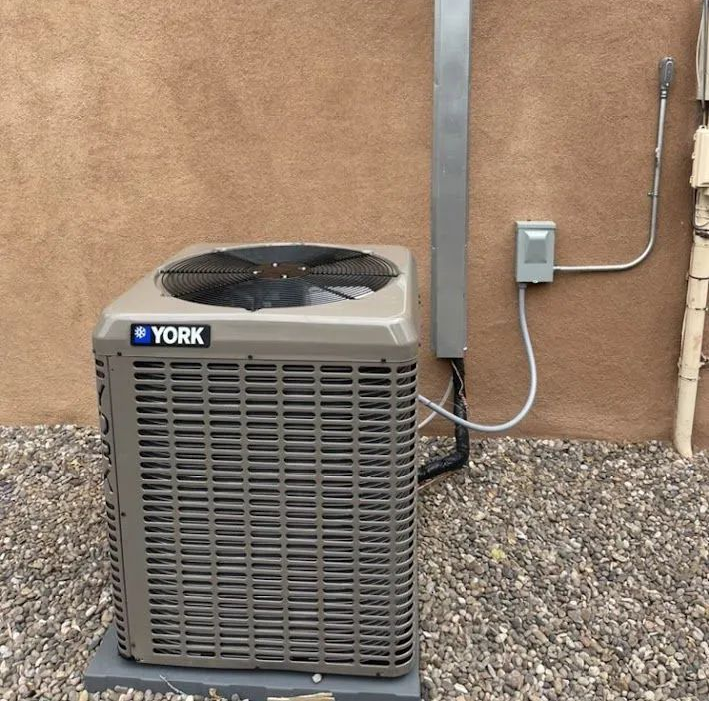
The outdoor condenser is placed on a concrete pad or wall bracket designed to minimize vibration and structural stress. Adequate clearance around the unit is necessary to maintain airflow and reduce strain on the compressor during continuous operation. Proper placement also improves system longevity and performance stability.
Step 3: Drilling and Line Connection
A small hole is carefully drilled through the wall to connect refrigerant lines, drain tubing, and electrical wiring between units. These lines link indoor and outdoor systems and are thoroughly insulated to prevent energy loss and condensation issues. Proper sealing ensures long-term efficiency and structural protection.
Step 4: Electrical Wiring Setup
Electrical connections are completed according to manufacturer specifications and strict safety standards for reliable system operation. A dedicated circuit breaker ensures safe power distribution and prevents overload conditions during peak usage. Proper grounding is essential to eliminate electrical hazards and maintain system stability.
Step 5: Refrigerant Charging and Testing
Once all connections are secured, the system is vacuum-tested thoroughly to remove air, moisture, and potential contaminants. Refrigerant is then carefully released into the lines in precise measured amounts for optimal efficiency. This step must be performed accurately to ensure performance and prevent long-term damage.
Step 6: System Calibration and Startup
After installation, the system is powered on and tested across all operational modes including cooling, heating, and fan functions. Airflow distribution, temperature accuracy, and drainage performance are carefully checked to confirm proper system operation. Final calibration ensures consistent comfort and energy efficiency.
Common Installation Challenges and How to Avoid Them
Incorrect Sizing Issues
Improper system sizing is one of the most common mistakes that directly impacts performance and efficiency levels. A unit that is too small struggles under peak demand conditions, while an oversized system short cycles frequently, reducing efficiency and comfort stability over time.
Poor Placement Decisions
Incorrect indoor unit placement can lead to uneven airflow distribution, temperature inconsistencies, or unwanted noise disturbances in living areas. Strategic positioning is necessary to maximize coverage, ensure balanced airflow, and minimize operational issues that may affect long-term comfort performance.
Refrigerant Line Errors
Kinks, leaks, or improper insulation in refrigerant lines can significantly reduce system efficiency and cooling effectiveness over time. Professional handling ensures proper installation, pressure balance, and long-term system reliability while preventing costly repairs or performance degradation in the future.
Electrical Misconfiguration
Inadequate wiring, incorrect connections, or overloaded circuits can cause system failure, performance instability, or serious electrical safety hazards. Ensuring compliance with electrical standards and manufacturer guidelines is essential for safe, reliable, and efficient system operation throughout its lifespan.
Maintenance and Long-Term Performance
Routine Cleaning
Indoor filters should be cleaned regularly to maintain proper airflow, system efficiency, and healthy indoor air quality throughout the home. Dirty or clogged filters reduce performance, increase energy consumption, and place unnecessary strain on internal system components over extended use.
Seasonal Inspections
Routine inspections help identify refrigerant imbalances, electrical wear, airflow restrictions, or drainage blockages before they develop into major system failures. Preventive maintenance ensures early detection of issues, extends system lifespan, and maintains consistent heating and cooling performance throughout seasonal changes.
Outdoor Unit Care
Keeping the outdoor condenser free from debris, leaves, dust, and obstructions ensures proper airflow and prevents overheating during continuous operation. Adequate clearance should be maintained year-round to support system efficiency, reduce strain on components, and improve long-term durability and reliability.
Performance Monitoring
Monitoring energy usage patterns and temperature consistency helps detect early signs of system inefficiency or mechanical issues before failure occurs. Sudden changes in performance often indicate maintenance needs, allowing timely intervention to restore optimal system operation and prevent costly repairs.
Professional Servicing
Annual professional servicing ensures refrigerant levels, electrical connections, and mechanical components remain in optimal condition for long-term performance. Regular servicing improves efficiency, enhances system reliability, and ensures compliance with manufacturer standards for safe and effective operation year after year.
Professional Installation Standards Driving Energy Efficient Performance
Installing a ductless mini-split system offers a highly efficient and flexible approach to home comfort. From precise temperature control to reduced energy consumption, these systems are designed to meet modern heating and cooling demands. However, successful installation depends on proper planning, accurate sizing, correct placement, and careful execution of every technical step. Homeowners benefit most when installation is approached with attention to detail and long-term performance in mind.
Reliable installation and system performance depend heavily on experience, precision, and technical understanding. With over 15 years of hands-on expertise in HVAC solutions, Enchanted Hills Mechanical delivers dependable ductless mini-split installation services tailored to residential comfort needs in Rio Rancho, New Mexico. Every installation approach is built around accuracy, energy efficiency, and long-term reliability, ensuring homeowners receive systems that perform optimally in varying seasonal conditions.
A strong commitment is maintained toward quality workmanship, advanced diagnostic practices, and adherence to modern HVAC standards. From system selection guidance to complete installation and post-installation support, each project is handled with a focus on durability and performance optimization. This experience-driven approach ensures that every ductless mini-split system installed delivers consistent comfort, improved energy savings, and dependable operation for years.