
Why Ductless Mini-Splits Are a Smart Choice for Modern Businesses?
Walk into almost any commercial building in Rio Rancho on a July afternoon and you will immediately notice whether the HVAC system is keeping up. Some spaces feel precise and controlled. Others have a hot corner near the server rack, a freezing zone by the supply register, and an energy bill that nobody wants to open. If your business falls into the second category, there is a strong chance your existing duct system is working against you. Over 15 years of commercial HVAC work in New Mexico, we have watched ductless mini-splits quietly become one of the most practical solutions for business owners who need real zone control without tearing walls apart.
Mini-splits do not require ductwork. That single fact changes everything about how they perform, where they can be installed, and what they cost to operate long-term. But the decision to go ductless is not one-size-fits-all, and the businesses that get the most value from this equipment are the ones that understand exactly how it works and where it fits.
What a Ductless Mini-Split System Actually Does
How the Technology Works
Most commercial HVAC systems move conditioned air through a network of sheet metal ducts. By the time that air travels from the air handler to the far end of a 4,000-square-foot building, it has lost a measurable amount of its conditioned temperature to the surrounding material. The U.S. Department of Energy estimates duct losses account for 20 to 30 percent of heating and cooling energy in a typical commercial system.
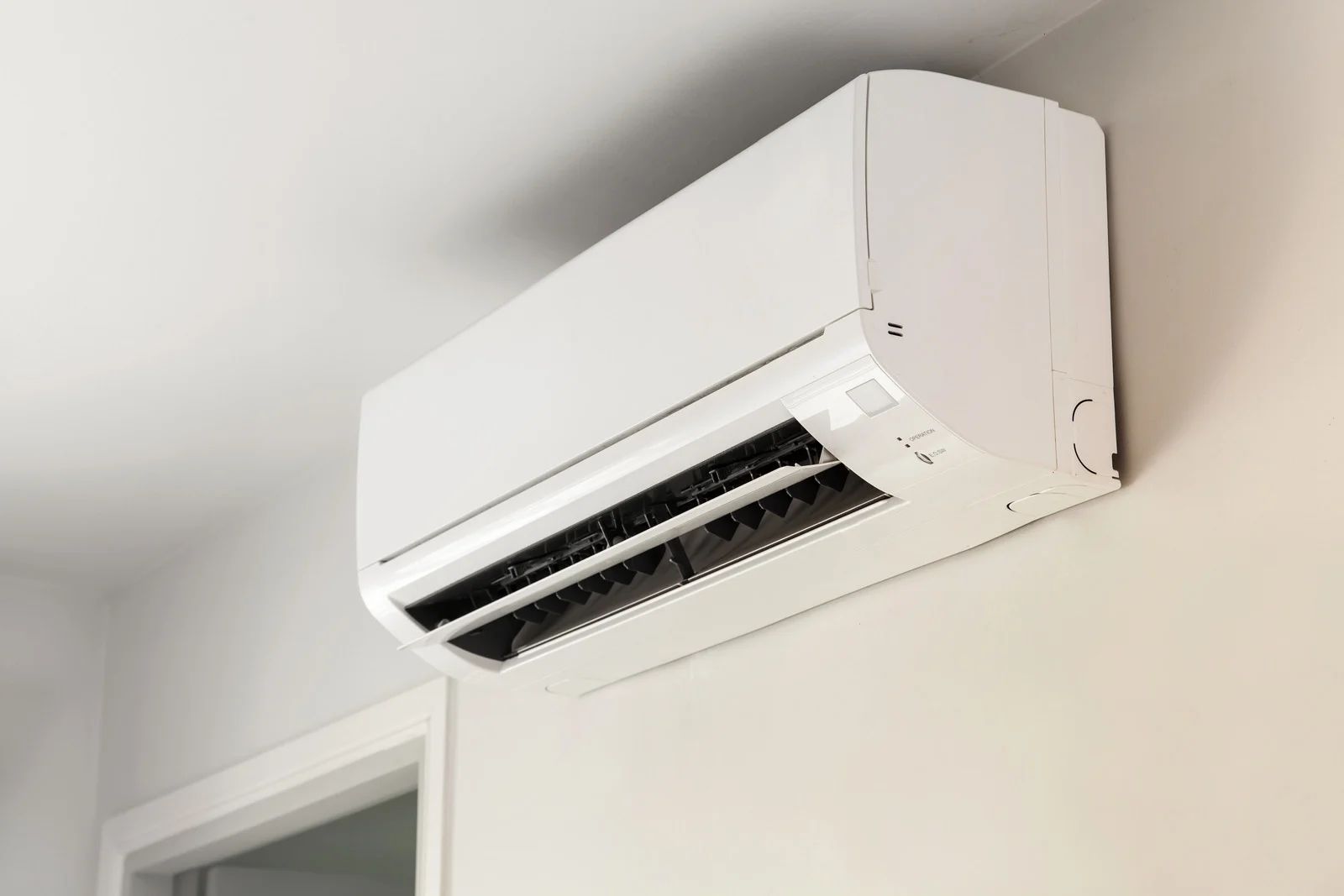
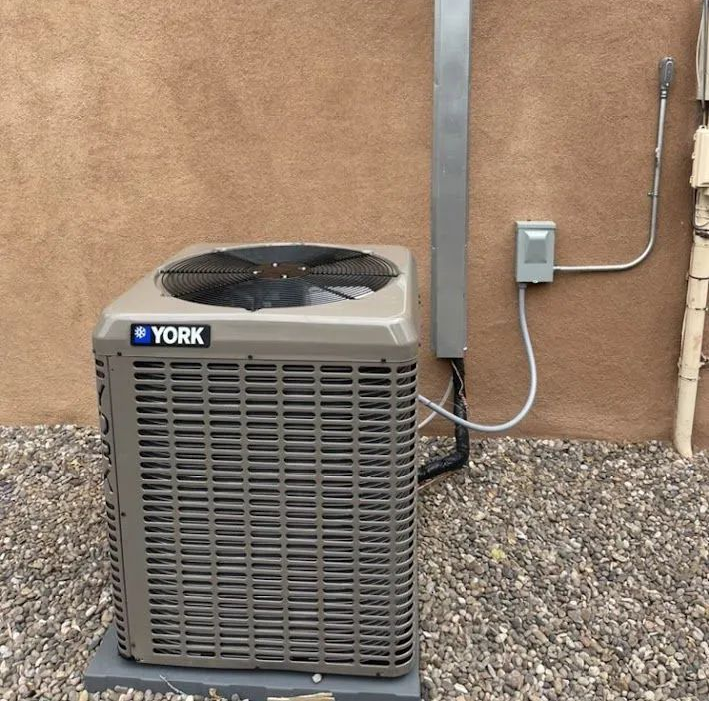
A ductless mini-split eliminates that loss at the source. It connects an outdoor condenser unit directly to one or more indoor air handlers through a small conduit carrying refrigerant lines, a power cable, and a condensate drain line. The refrigerant travels to where the heat exchange needs to happen, not through a duct path that was designed decades ago for a different use case.
How Zone Control Changes the Picture
Each indoor unit conditions only the space it serves. A four-zone system treats four separate areas independently. If the server room needs to stay at 68 degrees while the waiting area runs at 74, those two zones operate on completely separate setpoints without one affecting the other.
In Rio Rancho's commercial landscape, where buildings range from 1970s retail strip space to newer medical office construction, that flexibility matters more than most business owners initially realize. A single thermostat controlling a shared duct system forces every occupant to compromise. Independent zone control removes that compromise entirely.
Where Mini-Splits Outperform Conventional Systems
Spaces With Mixed Thermal Loads
Zone-by-zone control is the primary advantage, and any business with genuinely different thermal loads across its footprint benefits from it immediately. A dental office where the sterilization room generates constant heat while the patient rooms need to stay calm and cool is a straightforward example. A gym where the weights floor runs hot while the yoga studio needs to stay moderate is another.
Trying to manage these environments with a single thermostat and a shared duct system means someone is always uncomfortable and the equipment is always overworking to split the difference.
Buildings Without Existing Ductwork
Spaces without existing ductwork are the clearest use case for mini-splits. Historic buildings, converted warehouse space, server room additions, garage office buildouts, and detached structures are all places where running new duct infrastructure is either structurally impractical or financially unjustifiable.
We have installed mini-splits in converted adobe structures in the East Mountains where cutting into the original walls for ductwork would have meant significant renovation costs and a code review process. The refrigerant line set goes through a three-inch hole in the exterior wall. The project stays manageable, and the building stays intact.
Additions and Expansion Scenarios
When a business adds square footage, the existing HVAC system rarely has the capacity to cover the new area without a major upgrade. Adding a ductless unit to the expansion serves that space independently without stressing the main system.
We see this regularly with businesses along Unser Boulevard and Southern Boulevard that are building out adjacent suites or adding covered outdoor areas. Rather than redesign the entire HVAC layout, a targeted mini-split installation handles the new load without disrupting what is already working.
What to Know Before You Commit
Where Mini-Splits Work Best
Mini-splits are not universally the right answer. They work best when the building footprint allows placement of outdoor condenser units with adequate clearance and airflow. New Mexico's wind patterns and occasional blowing dust mean condenser placement should account for prevailing wind direction and avoid locations where debris accumulates against the unit.
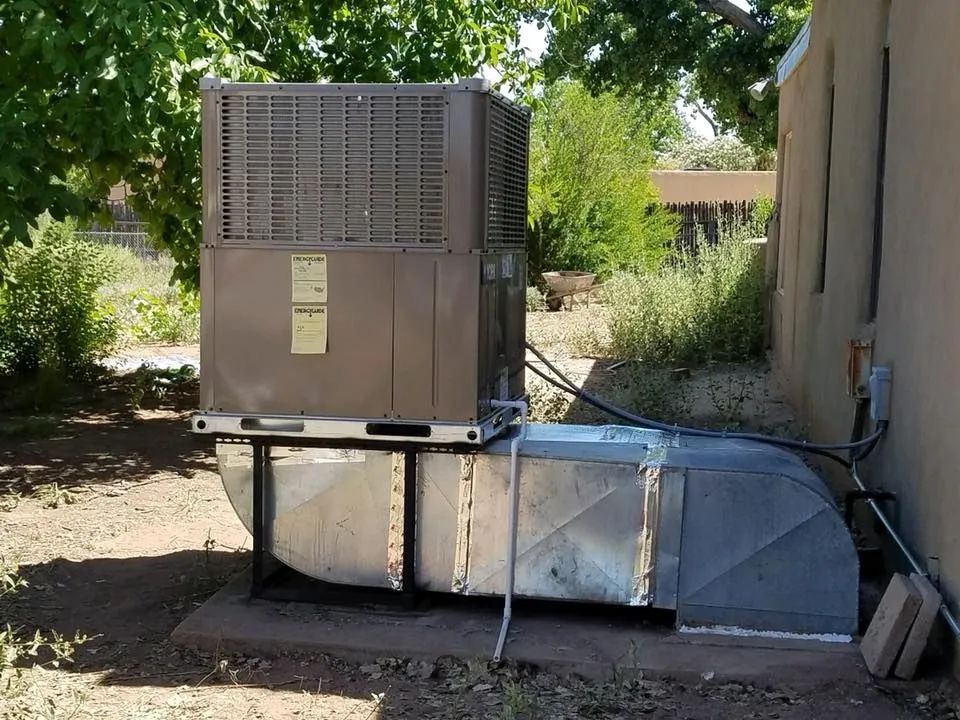
They are less ideal for very large open-plan spaces with high ceilings where a single indoor unit cannot distribute air evenly across the entire area. In those situations, a combination approach often works better: a conventional rooftop unit handling the main volume and mini-splits serving isolated zones with different requirements.
Electrical Capacity Considerations
Electrical capacity is a practical factor that catches some building owners off guard. Commercial mini-split systems require dedicated circuits, and older commercial buildings in Rio Rancho with original 1980s or 1990s panel infrastructure sometimes need service upgrades before installation can proceed.
We identify this during the site assessment so there are no surprises mid-project. A panel upgrade is not a reason to abandon the plan, but it is a factor that needs to be scoped and scheduled alongside the HVAC work itself.
Maintenance That Keeps Commercial Mini-Splits Running
Monthly and Quarterly Tasks
Clean or inspect indoor unit filters every month. In high-traffic commercial spaces with elevated dust levels, this is not optional. A clogged filter reduces airflow, forces the system to work harder, and can trigger fault codes that look like equipment failure but are actually just a maintenance issue.
Every quarter, check the condensate drain line on each indoor unit. Commercial spaces with high occupancy generate significant humidity load, and a blocked condensate line can overflow and damage ceiling tiles or flooring. This is a 15-minute check that prevents a real and expensive problem.
Annual and Long-Term Service
At minimum once per year, the system needs a professional inspection covering refrigerant charge, electrical connections, and condenser coil condition. In Rio Rancho's dusty environment, the outdoor condenser coil should be cleaned annually, and twice a year for units in particularly exposed locations. A dirty coil forces the compressor to run at higher head pressure, which shortens its service life measurably.
Every three to five years, evaluate the refrigerant line set and connection integrity. This aligns with manufacturer service recommendations and catches slow refrigerant leaks before they become a full system recovery situation.
Reliable Mini-Split Service from a Team That Knows HVAC
Ductless mini-split technology
solves a specific problem: delivering precise, efficient conditioning to spaces where ductwork is impractical, inadequate, or absent. In Rio Rancho, where commercial buildings span decades of construction styles and the climate demands real performance across a 35-degree daily temperature swing, mini-splits have become a reliable part of how we work. Enchanted Hills Mechanical
serves businesses across Rio Rancho, Corrales, Bernalillo, Placitas, and the East Mountain communities. If your current system is leaving any part of your space behind, we can assess whether a ductless solution fits your building.
Faqs
Can a ductless mini-split handle an entire commercial building?
A multi-zone system with four to eight indoor units can realistically condition 3,000 to 5,000 square feet when the building has identifiable zones with different thermal loads. Larger or open-plan buildings typically use a hybrid approach combining a central system with targeted mini-split zones. We size everything using a Manual J load calculation because New Mexico's solar gain and altitude cause generic estimates to consistently fall short.
How long do commercial mini-split systems typically last?
Inverter-driven compressors in commercial applications generally last 15 to 20 years with consistent maintenance. Indoor air handler components like the fan motor and control board typically need attention first, around the 10 to 12 year mark. In Rio Rancho's dust-heavy environment, neglected filters accelerate evaporator coil buildup and can cause noticeable performance loss within three to five years.
Do mini-splits work well in extreme heat like Rio Rancho summers?
Modern mini-splits are rated to operate at outdoor temperatures up to 115 to 125 degrees Fahrenheit, well above Rio Rancho's peak summer range of 95 to 100 degrees. The inverter compressor scales output continuously rather than cycling on and off, which handles heat spikes more efficiently than single-stage equipment. Avoid west-facing condenser placement to reduce exposure during late afternoon peak load periods.
What is the difference between a single-zone and multi-zone mini-split system?
A single-zone system serves one space through a direct connection between one condenser and one indoor unit. A multi-zone system runs two to eight indoor units from a single outdoor condenser, each with independent temperature control. The condenser must be sized to handle all zones at simultaneous full load, which we verify through a peak coincident load calculation before specifying equipment.
Are mini-splits harder to get serviced in New Mexico compared to conventional systems?
Inverter-driven mini-splits require different diagnostic tools and training than conventional single-stage systems, and not every contractor in the Rio Rancho area has that experience. Misdiagnosed fault codes are a common result when a technician is unfamiliar with variable-speed compressor behavior. At Enchanted Hills Mechanical, we carry inverter-specific diagnostic equipment and have worked with this technology for years across Sandoval County.
Can I install a mini-split in a leased commercial space?
In most cases, yes. Installation requires only a small exterior wall penetration for the refrigerant line set and a dedicated electrical circuit, with no structural modification needed. Many Rio Rancho landlords prefer this approach because the unit can be removed at lease end with minimal restoration work compared to permanent ductwork.
How does the Rio Rancho elevation affect mini-split performance?
At 5,300 feet, lower air density reduces heat transfer efficiency at the outdoor condenser compared to sea-level performance ratings. Manufacturers publish altitude correction factors that we apply during system sizing to make sure the selected equipment meets your actual building load, not the rating printed on the spec sheet.