
Ductless Mini-Split Systems: Pros, Cons, and Energy Savings Explained
Ductless mini-split systems have become a significant innovation in modern heating and cooling technology, especially as homeowners and businesses seek more efficient and flexible climate control solutions. Unlike traditional HVAC systems that rely on extensive ductwork, mini-splits deliver conditioned air directly into individual zones, offering targeted comfort and improved energy efficiency. Their rising popularity is driven by increasing energy costs, evolving building designs, and the demand for customized indoor comfort. This shift is also supported by advancements in inverter technology and smarter system controls that enhance overall performance and reliability.
As construction trends shift toward open layouts, retrofits, and energy-conscious design, ductless mini-split systems are proving to be a practical alternative for both new installations and upgrades. These systems are especially relevant in regions where temperature fluctuations demand reliable heating and cooling throughout the year. By eliminating duct losses and enabling zone-specific control, they provide a modern solution aligned with sustainability goals and long-term operational savings. Their adaptability also makes them suitable for residential, commercial, and mixed-use environments with varying comfort requirements.
This blog explores the pros, cons, and energy-saving benefits of ductless mini-split systems in detail. It also examines how they compare to conventional HVAC setups, what homeowners should consider before installation, and how performance can be optimized. A balanced understanding of these systems helps make informed decisions that align comfort, cost efficiency, and environmental responsibility. Additionally, practical insights are provided to help identify when mini-split systems deliver maximum value in real-world applications.
1. Understanding Ductless Mini-Split Systems
What Is a Ductless Mini-Split System?
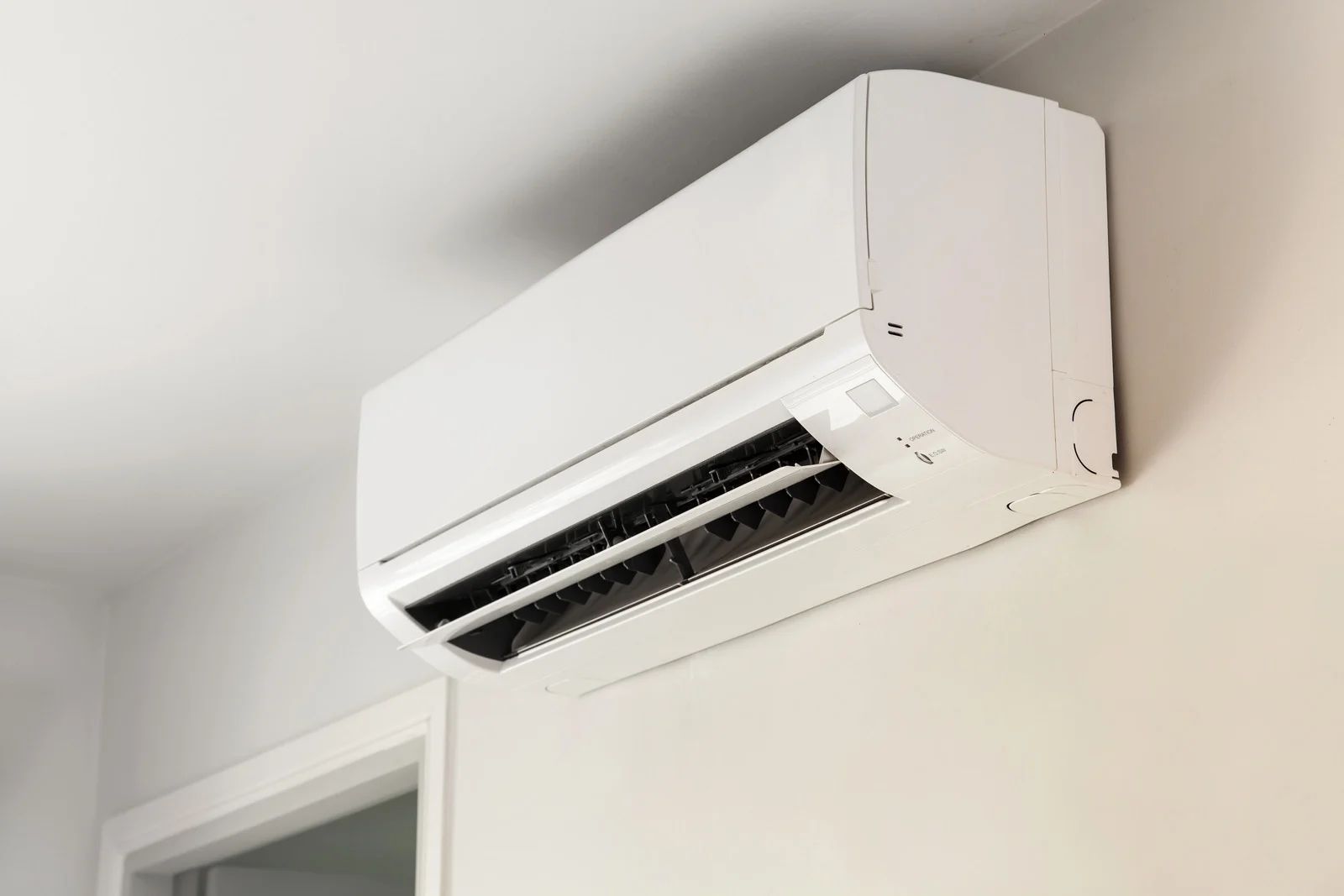
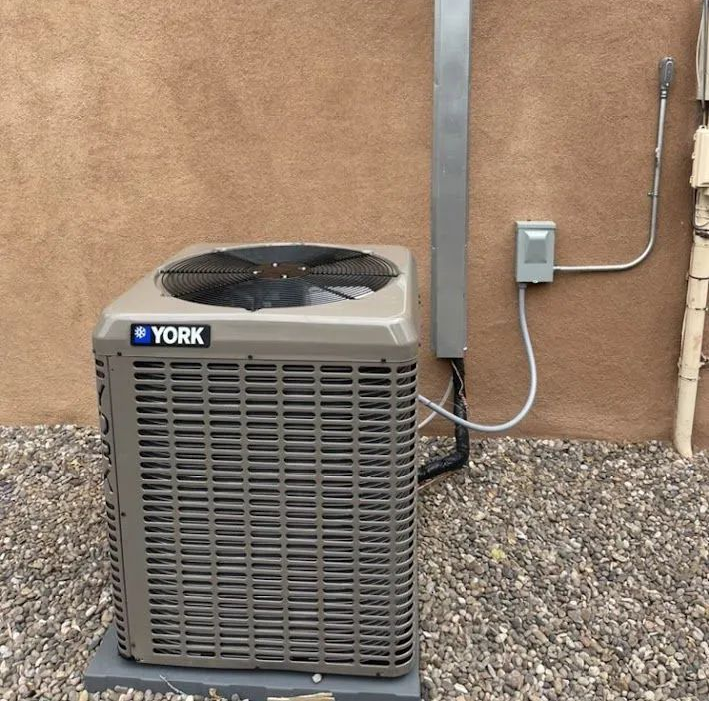
A ductless mini-split system is a heating and cooling solution composed of two main components: an indoor air-handling unit and an outdoor compressor unit. These components are connected through refrigerant lines rather than ductwork, allowing each indoor unit to serve a specific room or zone with independent temperature control for improved overall efficiency.
How It Works in Real Settings
In practical applications, mini-splits operate using inverter technology that adjusts compressor speed based on demand. This ensures consistent temperature control rather than repeated on-off cycling. For example, a home office can be kept cooler during the day while bedrooms remain energy-efficiently controlled at different settings, making usage highly flexible and efficient overall performance.
2. Key Advantages of Ductless Mini-Split Systems
Energy Efficiency and Reduced Waste
One of the strongest benefits of ductless mini-splits is energy efficiency. Traditional ducted systems can lose up to 30% of energy through duct leaks and heat exchange losses. Mini-splits eliminate this issue by delivering air directly into rooms, making them highly suitable for modern energy-conscious buildings and retrofits across various applications today’s standards achievement.
This Direct Delivery System
This direct delivery system reduces wasted energy, leading to lower utility bills. In climates with long cooling or heating seasons, these savings can become substantial over time. This makes mini-splits a preferred choice for efficiency-focused homeowners seeking consistent comfort without unnecessary consumption especially in regions with extreme temperature variations throughout the year cycles.
Zoned Comfort Control
Mini-splits allow individual temperature control for each room or zone. This means occupants can customize comfort levels without affecting other areas of the building. This zoning capability enhances comfort while optimizing energy usage across different spaces in residential and commercial settings. It also reduces operational strain on HVAC components over extended periods use.
This Zoning Capability
This zoning capability enhances comfort and ensures energy is used only where needed, preventing waste in unoccupied rooms and improving overall efficiency throughout the property. This leads to better temperature balance and significant reductions in monthly energy expenses. It is especially beneficial for multi-room homes requiring customized climate control strategies through smart zoning.
Flexible Installation Options
Since ductwork is not required, installation is less invasive. This makes mini-splits ideal for older homes, room additions, garages, and buildings where installing ducts would be costly or impractical. The compact design also allows flexible placement across various interior layouts. This improves design adaptability in both residential and commercial environments without structural changes considerations required.
Quiet Operation
Indoor units operate at very low noise levels compared to traditional HVAC systems. This makes them suitable for bedrooms, offices, and study areas where noise reduction is important for comfort and productivity. Quiet performance supports better sleep and improved concentration in daily environments. It enhances overall indoor living quality significantly for users everywhere.
3. Limitations and Challenges of Mini-Split Systems
Higher Initial Installation Cost
Although mini-splits save money in the long run, the upfront cost can be higher than traditional systems. Each indoor unit adds to installation expense, especially in multi-room configurations. Professional installation is required for refrigerant handling and system calibration. This increases initial investment requirements but ensures proper system performance and safety over time benefits.
Aesthetic Considerations
Indoor air-handling units are visible and mounted on walls or ceilings. Some users may find them less visually appealing compared to hidden ducted vents. While modern designs are more compact, they still remain noticeable in interior spaces. This may influence interior design planning decisions in certain residential settings during installation phase considerations required.
Maintenance Requirements
Regular maintenance is essential for optimal performance. Filters must be cleaned frequently, and outdoor units require inspection for debris buildup. Neglecting maintenance can reduce efficiency and system lifespan. Consistent servicing helps maintain energy efficiency and prevents unexpected system failures. It also extends equipment durability and long-term operational reliability significantly over time usage cycles.
Limited Coverage for Large Buildings
While scalable, mini-split systems may become less efficient in very large commercial buildings compared to centralized HVAC systems. Strategic zoning and multiple outdoor units may be required for optimal coverage. Proper system planning is essential to maintain efficiency in such environments. Performance depends heavily on layout design and load distribution strategy implementation approach.
4. Energy Savings Explained in Detail
Eliminating Duct Losses
A major source of energy waste in traditional HVAC systems is duct leakage. Mini-splits bypass ducts entirely, ensuring that nearly all generated cooling or heating reaches the intended space. This directly improves system efficiency ratings. This reduction in loss significantly enhances overall performance in both heating and cooling modes throughout operation cycles periods.
Inverter Technology Efficiency
Mini-splits use inverter-driven compressors that adjust output based on real-time demand. Instead of shutting on and off repeatedly, the system maintains steady operation at variable speeds. This reduces energy spikes and improves long-term efficiency. This technology ensures smoother performance and optimized power consumption. It supports sustainable energy usage in residential systems effectively overall.
Real-World Savings Scenario
In a typical residential setting, switching from central air conditioning to a mini-split system can reduce cooling costs significantly, especially when zoning is used effectively. Rooms that are not in use do not require conditioning, further lowering consumption. This creates measurable savings over time through reduced energy demand across billing cycles monthly periods.
Seasonal Performance Benefits
Mini-splits are designed to perform efficiently across varying weather conditions. Modern systems can operate effectively even in extreme temperatures, making them suitable for both summer cooling and winter heating in diverse climates. This ensures consistent comfort and reliability throughout seasonal changes. It maintains stable indoor conditions regardless of external temperature fluctuations year-round performance.
5. Comparison with Traditional HVAC Systems
Installation Differences
Traditional HVAC systems require duct networks, vents, and centralized equipment. Mini-splits require only small wall openings for refrigerant lines. This reduces construction complexity and installation time significantly.
Operational Efficiency
Central HVAC systems lose energy through ducts, while mini-splits deliver air directly. This structural difference gives mini-splits a clear efficiency advantage in most residential applications overall system performance.
Maintenance and Repairs
Central systems often require duct cleaning and large-scale servicing. Mini-splits require more frequent but simpler maintenance tasks like filter cleaning and periodic inspections. service complexity and improves maintenance efficiency
Cost Over Time
While central systems may have lower upfront costs, mini-splits often outperform them in long-term savings due to reduced energy consumption and zoned usage control over extended periods of time.
Trusted HVAC Specialists Focused on Lasting Performance
Ductless mini-split systems offer a modern approach to heating and cooling that prioritizes efficiency, flexibility, and personalized comfort. Their ability to eliminate duct losses, provide zoned temperature control, and operate quietly makes them a strong alternative to traditional HVAC systems. However, higher installation costs, visible indoor units, and maintenance needs should be carefully considered before adoption. When properly designed and installed, these systems can deliver significant long-term energy savings and improved indoor comfort across residential and light commercial environments. A thoughtful evaluation of space requirements, usage patterns, and energy goals is essential for maximizing system benefits. With advancing technology and increasing demand for sustainable solutions, ductless mini-splits continue to gain relevance in modern climate control strategies.
Enchanted Hills Mechanical
brings 15
years of experience in delivering reliable heating and cooling solutions in Rio Rancho, New Mexico. We specialize in designing and installing systems that prioritize efficiency, comfort, and long-term performance. Our approach focuses on understanding each property’s unique requirements and matching them with the most suitable
ductless mini-split configurations. We emphasize precision installation, system optimization, and energy-conscious recommendations that support reduced utility costs and improved indoor air comfort. With a strong foundation in HVAC expertise, we ensure each project is handled with technical accuracy and professional care. Our commitment is to deliver dependable climate solutions that align with modern energy standards while maintaining consistent performance across seasons.