
Switching From a Swamp Cooler to Refrigerated Air: What Actually Changes
Quick Answer: When you switch from a swamp cooler to refrigerated air, you're trading a water-based cooling process for a sealed refrigerant system, and the change touches more than the equipment sitting on your roof. Your ductwork almost always needs resizing or resealing, because refrigerated air moves a smaller volume of air at much higher pressure than evaporative cooling ever did. Your electrical panel typically needs a dedicated 240-volt circuit, and some older homes need a full panel upgrade to carry that load. The old cooler gets removed or capped, and the roof opening it leaves behind gets patched so it stops being a leak waiting to happen. None of that changes what's happening outside your walls — the dry air, the dust, the wide swing between a hot afternoon and a cool night are still part of life here, you just stop losing the cooling fight the moment humidity climbs.
What Changes When You Switch Cooling Systems
You've got the swamp cooler running full blast on a monsoon afternoon in August, blower roaring, pads soaked, and the thermostat somewhere in the hallway still reads 82. The air coming out of the vents feels heavy and lukewarm instead of the dry, sharp chill you remember from June. Outside, the sky's stacked with the kind of towering clouds that mean rain by four o'clock, and the humidity riding in ahead of that storm is exactly what's wrecking your cooler's performance right now.
This isn't a malfunction. It's physics working against your cooler, and no amount of pad-cleaning fixes it. Your evaporative cooler is doing exactly what it was built to do — it's just fighting a climate condition it was never built to beat. And every July through September, homeowners across Rio Rancho and Albuquerque go through this same afternoon, sweating through the one stretch of summer their swamp cooler can't quite handle.
If you've started wondering whether refrigerated air makes more sense for your house, you're asking the question at the right time of year to actually see the problem clearly. A conversion is more than swapping one box for another, though. It changes how air moves through your home, how much electrical capacity you need, and what happens to the roof once the old unit comes off.
Why Your Swamp Cooler Loses the Fight Once the Monsoon Rolls In
An evaporative cooler pulls warm, dry outside air through a thick pad soaked with water. As the water evaporates off that pad, it pulls heat out of the air passing through, and the cooled air gets pushed into your house. It's a simple, almost old-fashioned process, and it works well for the same reason a swimming pool feels cold when you first climb out on a dry day: evaporation eats energy, and that energy comes from the surrounding air.
The dry-air dependency
The amount of cooling you get depends entirely on how much moisture the air can still absorb before it's saturated. On a bone-dry June afternoon at 100 degrees, a swamp cooler can knock the temperature down 25 to 30 degrees before that air ever reaches your vents. Once monsoon humidity moves in and the air is already carrying moisture, that same pad can only manage a 10 to 12 degree drop, sometimes less. The pad hasn't failed. The air around it just doesn't have room left to absorb more water vapor.
The open-window requirement
A swamp cooler also needs somewhere for air to go once it's inside, which is why most homes running one keep a window or two cracked, or rely on relief vents built into the ceiling. That constant air exchange is part of what makes evaporative cooling effective in dry conditions. It's also part of why humid outside air gets pulled straight into your living room during monsoon season, working against the cooling effect instead of helping it.
None of this means your cooler is broken or undersized. It means you've hit the exact condition evaporative cooling struggles with, and no amount of pad replacement changes the underlying chemistry.
How Refrigerated Air Cools Your House in a Completely Different Way
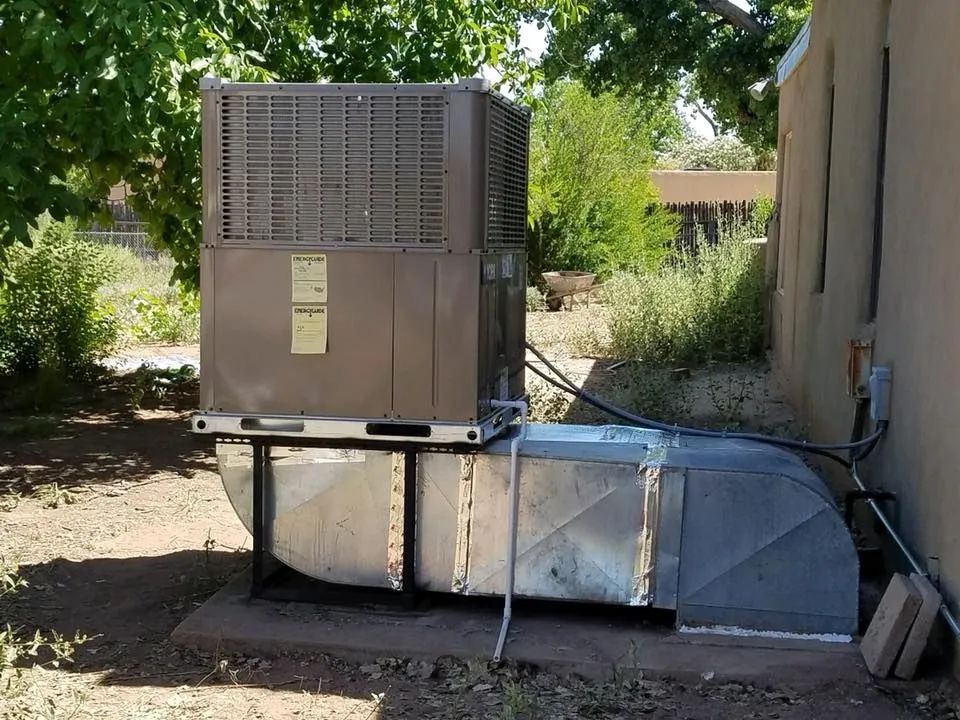
Refrigerated air conditioning doesn't rely on evaporating water into your living space at all. It runs on a closed loop of refrigerant that never touches your indoor air directly, and it doesn't care what the humidity is doing outside.
The refrigerant loop
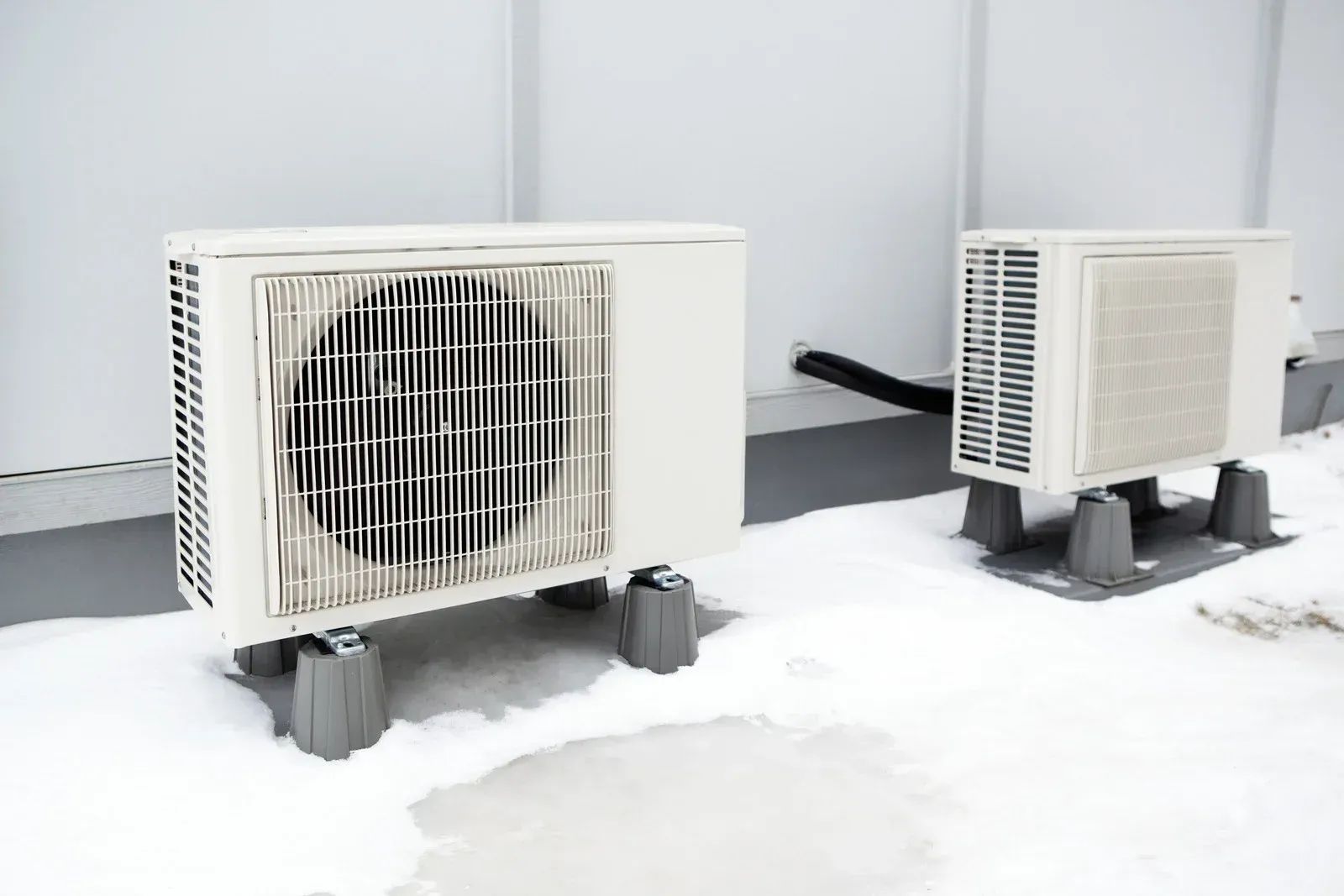
A compressor squeezes refrigerant gas, which raises its pressure and temperature, then sends it out to the condenser coil where that heat gets released into the outside air. The refrigerant cools, passes through an expansion valve that drops its pressure, and arrives at the indoor evaporator coil as a cold liquid. Air from inside your house blows across that cold coil, gives up its heat, and returns to your rooms noticeably cooler. The cycle repeats continuously while the system runs.
Dehumidification as a byproduct
Because that indoor coil runs cold, moisture in the air condenses on its surface the same way water beads on a cold glass. That water drains away through a condensate line instead of staying in your house. This is the piece that makes refrigerated air perform consistently through monsoon season — it's actively pulling humidity out of the air at the same time it's cooling it, rather than adding more moisture the way an evaporative system does.
The two systems aren't really variations on the same idea. One relies on water evaporating into your air supply, and the other keeps water and refrigerant sealed away from your living space entirely, moving heat out through a closed mechanical loop.
What Physically Has to Change Inside and Outside Your Home
This is where a conversion stops being a simple equipment swap. A swamp cooler and a refrigerated system move air in fundamentally different ways, and the ductwork built for one doesn't automatically work for the other.
Duct sizing and sealing
Swamp coolers move a high volume of air at low pressure, so the ducts feeding them are typically oversized for refrigerated air, which moves less volume at much higher pressure. Those ducts often need resizing, and at minimum they need thorough sealing, because leaks that barely mattered under low-pressure airflow become real efficiency losses once a refrigerated system is pushing air through them. Insulation gets added too, since cooled air traveling through hot attic space needs protection it never needed before.
Tip: Ask your contractor to check for a proper return air path before anything else gets installed. Swamp coolers don't need one — they pull fresh air in and push stale air out through relief vents — but a refrigerated system depends on a sealed return to recirculate air efficiently, and it's one of the most commonly missed steps in a rushed conversion.
Electrical capacity
A swamp cooler typically runs on a standard 120-volt circuit and draws a modest amount of power. A refrigerated system's compressor needs a dedicated 240-volt circuit of its own, and homes with older 100-amp electrical panels sometimes need a panel upgrade before that circuit can be added safely. This isn't optional wiring — it comes down to how much current the compressor pulls on startup, and undersized electrical simply can't keep up with that demand.
Removing or capping the old cooler
Once the swamp cooler comes off the roof, that penetration needs proper flashing and sealing, or it becomes a leak source the first time it rains. Some homeowners choose to cap the cooler in place instead of removing it entirely. That still calls for the same careful sealing. Either way, whoever handles the roof work needs to verify the structure can support whatever goes up there next, and a new condensate drain line has to be run for the refrigerated unit regardless.
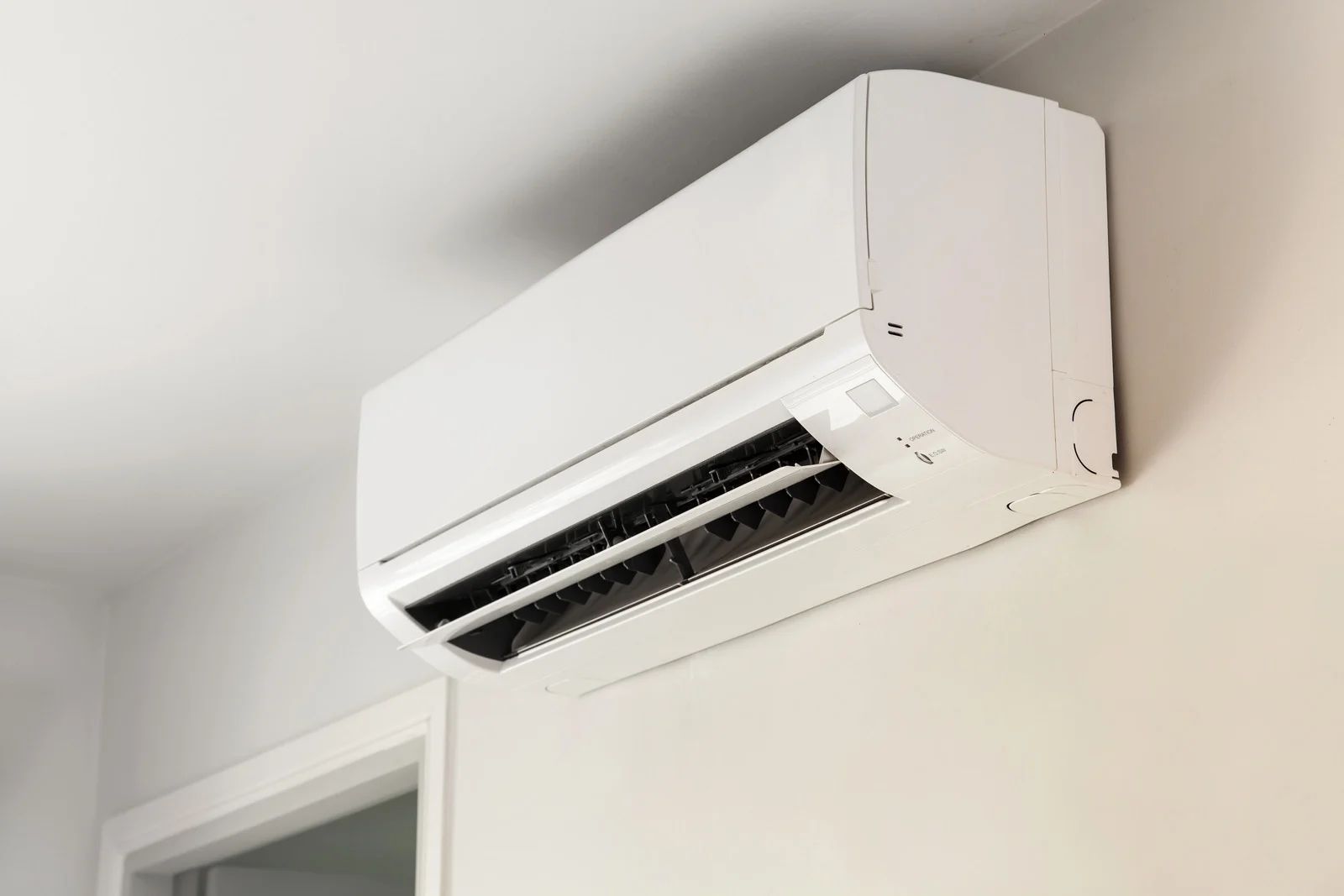
At Enchanted Hills Mechanical, this is the point where a real walk-through of your home matters more than a quick estimate over the phone. Richard and his crew assess the whole system before recommending anything — checking ductwork condition, electrical capacity, insulation, and how air actually moves through your specific floor plan — because a house in Loma Colorado with attic ducting behaves differently than one in the North Valley with a crawlspace. For homes where a full duct conversion doesn't make sense right away, a ductless mini-split can cool specific rooms or additions without tearing into the whole house at once, which is worth discussing before you commit to a full central system.
What Stays the Same About the High Desert
Switching cooling systems doesn't change the climate you live in. It changes how your house responds to it.
The dry air that made your swamp cooler effective most of the year doesn't go anywhere. Low humidity still means less mold risk, faster drying after a monsoon downpour, and air that generally feels cleaner than what people deal with in muggier climates. Refrigerated air doesn't need that dryness to work, but you still benefit from it in every other part of daily life around here.
Warning: Dust is still a factor, and in some ways it matters more with refrigerated air than it did with your swamp cooler. A closed system recirculates the same indoor air over and over, so any duct leaks or gaps around returns pull dust and attic debris straight into that airflow instead of venting it out the way an evaporative system does. Sealing quality on your new ductwork isn't a minor detail — it's the difference between clean air circulating through your house and a system quietly redistributing dust through every vent.
The wide temperature swing between a hot afternoon and a cool desert night also hasn't gone anywhere. Refrigerated systems handle that swing differently than evaporative coolers did, cycling on and off to hold a set temperature rather than running continuously, which is one reason a properly sized system and a well-programmed thermostat matter so much here. Get the sizing wrong, and a refrigerated system short-cycles constantly, never quite settling into the steady comfort it's supposed to deliver.
Frequently Asked Questions
Can I keep my swamp cooler and add refrigerated air as a backup?
Yes. Some homeowners use swamp cooling during dry summer weather and refrigerated air during humid monsoon periods. However, operating both systems may require separate ductwork or careful integration to maintain proper airflow and efficiency throughout the home
Does refrigerated air use more electricity than a swamp cooler?
Generally, yes. Refrigerated air uses more electricity because its compressor requires considerably more power than a swamp cooler’s fan and water pump. In return, it provides dependable cooling even when outdoor humidity rises during monsoon season.
Will my existing ducts work for refrigerated air without any changes?
Usually, some modifications are necessary. Swamp cooler ducts handle high-volume, low-pressure airflow, while refrigerated systems operate differently. Existing ducts may require sealing, insulation, resizing, and a dedicated return-air path to support efficient, balanced cooling throughout your home.
What happens to the hole in my roof where the swamp cooler used to sit?
After removing the swamp cooler, the existing roof opening should be properly patched, flashed, and sealed against moisture. If the cooler remains capped in place, careful weatherproofing is still necessary to prevent future leaks and structural damage.
Do I need a bigger electrical panel to switch to refrigerated air?
Not always. Refrigerated air typically requires a dedicated 240-volt circuit, so your existing electrical capacity needs evaluation. Older 100-amp panels or heavily loaded systems may require upgrading before the new cooling equipment can operate safely and reliably.
Is refrigerated air worth it if I only struggle during monsoon season?
It depends on your comfort expectations, home configuration, and budget. If humidity only creates problems during monsoon season, a ductless mini-split may provide targeted cooling without requiring the extensive modifications associated with converting your entire cooling system.
Choosing the Cooling System That Fits Your Home
Switching from a swamp cooler to refrigerated air is ultimately about matching your cooling system to the way your home functions throughout the year. Ductwork, return airflow, electrical capacity, insulation, and roof conditions all influence how smoothly the conversion works. For homeowners in Rio Rancho, NM, understanding these details beforehand makes it easier to compare a complete refrigerated air conversion with alternatives such as ductless mini-splits, particularly when monsoon humidity is the main reason for considering a change.
With 15
years of experience, Enchanted Hills Mechanical
understands how high desert conditions affect residential cooling systems and the homes they serve. Refrigerated air can provide steadier temperatures and better humidity control, but the best results depend on proper sizing and careful attention to the existing infrastructure. When those pieces work together, the transition becomes less about replacing a swamp cooler and more about creating a cooling setup that delivers reliable, balanced comfort through dry summers, humid monsoon afternoons, and changing desert temperatures.