
The Future of Heating and Cooling: Ductless Technology Explained
In the evolving landscape of home and commercial comfort, traditional heating and cooling systems are increasingly being challenged by more flexible, efficient alternatives. Ductless technology, often referred to as mini-split systems, is emerging as a frontrunner in this transformation. Unlike conventional HVAC systems that rely on extensive ductwork to distribute air, ductless systems deliver targeted heating and cooling directly into specific rooms or zones. This method not only improves energy efficiency but also provides homeowners and businesses with greater control over their indoor environments. As energy costs rise and sustainability becomes a key consideration, ductless solutions are gaining prominence for their ability to balance performance with eco-conscious design.
The appeal of ductless systems extends beyond efficiency. Their compact design, quiet operation, and adaptability make them an attractive option for modern living spaces, renovations, and additions where installing ductwork would be impractical or costly. Understanding the technology, its benefits, and considerations for installation is essential for anyone looking to invest in a smarter, more responsive climate control solution. This blog explores ductless heating and cooling technology, offering insights into its workings, real-world applications, advantages, challenges, and best practices for homeowners and businesses seeking a comfortable, energy-efficient future.
How Ductless Technology Works
The Components of a Ductless System
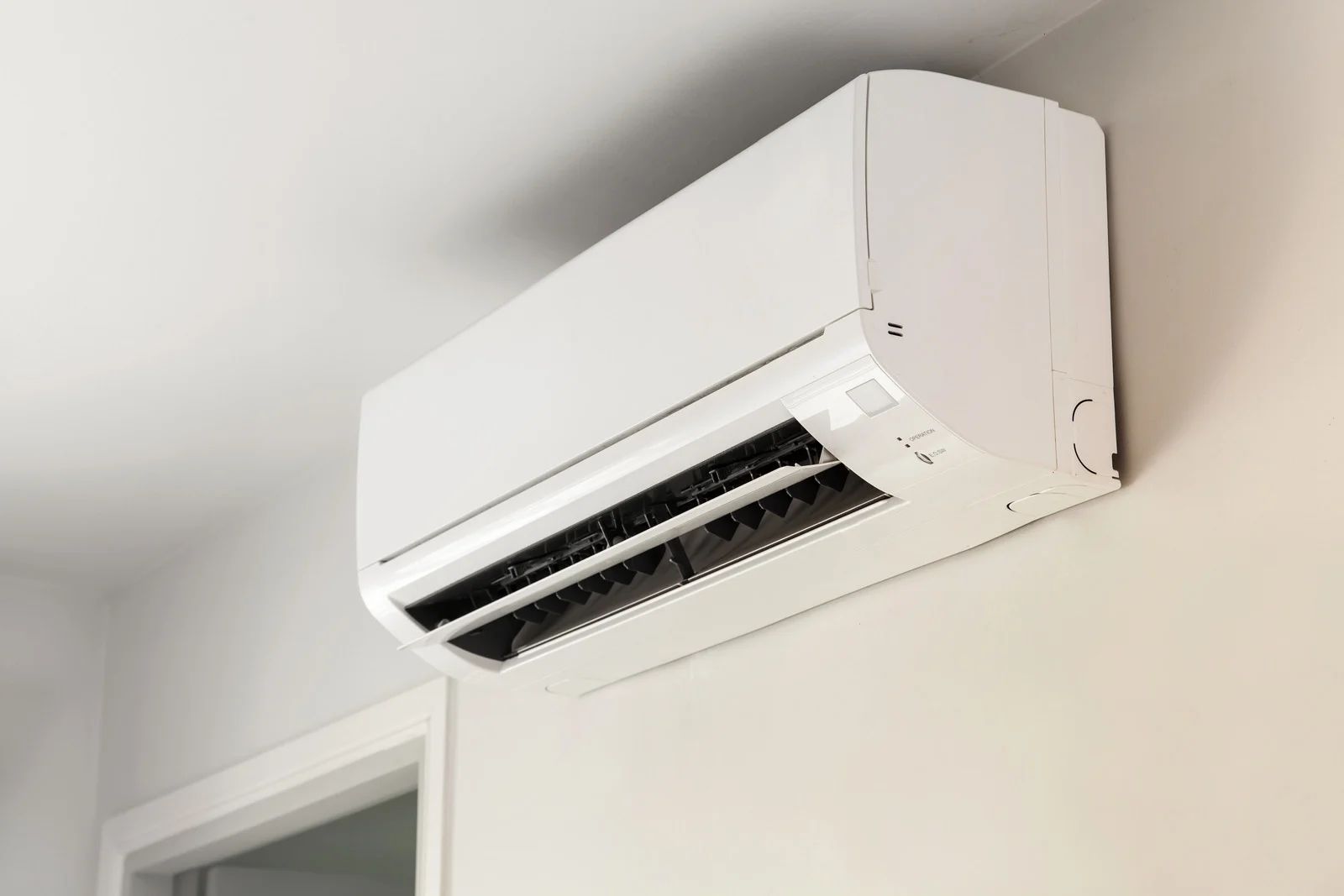
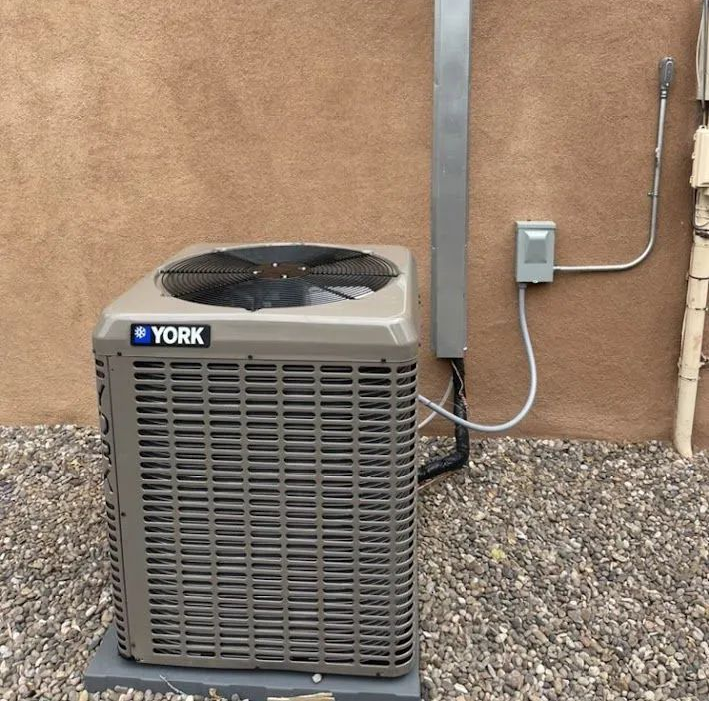
Ductless systems consist of two primary components: an outdoor compressor/condenser unit and one or more indoor air-handling units. These indoor units are strategically installed in individual rooms or zones, allowing for precise temperature control without the need for ductwork. Each indoor unit connects to the outdoor compressor via a small conduit that houses refrigerant lines, a power cable, and a drain for condensation.
The simplicity of this design provides multiple benefits. By eliminating ductwork, ductless systems avoid energy losses associated with leaks, which can account for up to 30% of energy consumption in traditional systems. Additionally, the modular nature allows homeowners to install only what is necessary, reducing both upfront costs and long-term energy expenses.
Refrigerant-Based Efficiency
Ductless systems operate using a refrigerant cycle, similar to air conditioners, which absorbs heat from indoor air and transfers it outdoors in the cooling mode—or reverses the process to heat a space. Modern systems often employ inverter technology, which adjusts compressor speed dynamically to match the heating or cooling demand, resulting in lower energy usage and more consistent comfort levels. This precise control makes ductless units particularly suited for climates with variable seasonal demands.
Benefits of Ductless Systems
Comfort and Customization
Ductless systems excel at providing uniform, consistent temperatures without the drafts or uneven heating common in ducted systems. Homeowners can customize settings for individual rooms, achieving personalized comfort for each family member. This flexibility is particularly valuable in multi-story homes, converted attics, or open floor plans where traditional systems struggle to maintain balance.
Quiet Operation and Aesthetic Flexibility
Indoor units of ductless systems are remarkably quiet, often operating below 25 decibels—comparable to a whisper. This makes them ideal for bedrooms, offices, or study areas where noise can be disruptive. Additionally, indoor units are sleek, wall-mounted, or ceiling-recessed, blending seamlessly into the décor of modern homes. For commercial spaces, unobtrusive design allows ductless systems to maintain aesthetic standards without sacrificing performance.
Energy Efficiency and Cost Savings
One of the most significant advantages of ductless technology is its energy efficiency. Traditional forced-air systems can lose considerable energy through leaky ducts, while ductless systems deliver conditioned air directly to the intended space. According to industry studies, homeowners can reduce energy consumption by 20–30% by switching to ductless solutions.
Moreover, ductless systems allow for zone-specific heating and cooling, enabling occupants to condition only the spaces in use. For instance, unused guest rooms or storage areas can remain unconditioned, further reducing utility bills. Over time, these savings can offset the initial installation costs, making ductless technology a cost-effective long-term investment.
Real-World Applications of Ductless Technology
Residential Renovations and Additions
Ductless systems are particularly valuable in residential renovations or room additions where installing ductwork is challenging or impossible. For example, homeowners expanding their living space or converting a garage into a functional room can enjoy efficient heating and cooling without costly structural modifications.
Commercial and Mixed-Use Spaces
In commercial environments, ductless systems provide flexibility and energy savings. Retail stores, small offices, and restaurants can benefit from zoned temperature control, ensuring customer comfort without over-conditioning unoccupied areas. In mixed-use buildings, ductless systems can operate independently across apartments or suites, eliminating disputes over centralized thermostat settings.
Supplementary Heating and Cooling
Ductless units can also serve as supplementary systems alongside existing HVAC setups. For instance, they can enhance comfort in traditionally hard-to-heat rooms, such as sunrooms or basement areas, while reducing the workload on the central system. This hybrid approach allows homeowners to maintain optimal comfort while extending the lifespan of their primary HVAC equipment.
Challenges and Considerations
Installation and Maintenance
While ductless systems offer numerous benefits, proper installation is critical to achieving peak efficiency. The placement of indoor units, sizing of the system, and connection to the outdoor unit must be carefully planned by experienced professionals. Incorrect installation can result in reduced efficiency, increased energy costs, or uneven temperature distribution.
Regular maintenance is also essential. Units require periodic cleaning of filters, inspection of refrigerant levels, and occasional professional servicing to ensure optimal performance. Neglecting maintenance can compromise efficiency and lead to costly repairs.
Upfront Costs
Compared to traditional systems, ductless units often have higher initial costs. However, this should be weighed against long-term energy savings and the flexibility offered by zone-specific climate control. Homeowners should consider the total lifecycle cost—including installation, energy savings, and maintenance—when evaluating the investment.
Aesthetic and Space Planning
Although ductless units are more visually discreet than large ductwork systems, indoor units still require wall space. Careful consideration is necessary to balance aesthetics with functionality, especially in small rooms or spaces with limited wall access. In some cases, ceiling-recessed or floor-mounted units may be the optimal solution, but these can increase installation complexity.
Best Practices for Maximizing Ductless Efficiency
Strategic Placement of Indoor Units
For maximum comfort and efficiency, indoor units should be positioned where air can circulate freely across the room. Avoid placing units near large furniture, curtains, or other obstructions that could impede airflow. Expert technicians often conduct room assessments to identify optimal locations for installation, ensuring even distribution of heating and cooling.
Proper Sizing and Load Calculations
Selecting the correct system size is crucial. Oversized units can lead to short cycling, where the system frequently turns on and off, reducing efficiency and comfort. Undersized units may struggle to maintain desired temperatures. Professional load calculations account for room size, insulation, window placement, and climate factors to ensure proper sizing.
Regular Maintenance and Cleaning
Routine maintenance preserves efficiency and extends the lifespan of ductless systems. Homeowners should clean or replace filters regularly, monitor refrigerant levels, and schedule annual professional inspections. Prompt attention to minor issues, such as unusual noises or decreased airflow, can prevent more significant problems down the line.
Integrating Smart Controls
Modern ductless systems often include smart thermostats or Wi-Fi-enabled controls, allowing homeowners to manage temperature remotely and schedule zone-specific operation. Smart integration enhances energy savings by adjusting temperatures based on occupancy patterns, weather conditions, or personal preferences.
Expert Reasoning and Industry Outlook
Industry experts anticipate continued growth in the ductless HVAC sector due to rising energy costs, increasing demand for sustainable solutions, and the adaptability of these systems to diverse building types. According to the Air-Conditioning, Heating, and Refrigeration Institute (AHRI), the global ductless market is projected to expand significantly over the next decade, reflecting strong adoption in both residential and commercial markets.
Ductless systems align with broader environmental goals, reducing energy consumption and carbon emissions while offering an accessible, user-friendly alternative to traditional HVAC systems. Their modularity, efficiency, and technological sophistication position them as a key component of smart, sustainable building strategies. For homeowners, commercial operators, and building designers, understanding the practical applications and considerations of ductless systems is critical to making informed decisions about climate control investments.
Pioneering Comfort Without Ductwork Limitations
Ductless technology represents a paradigm shift in heating and cooling solutions. By eliminating the need for ductwork, these systems offer superior energy efficiency, flexibility, and comfort customization. From residential renovations to commercial applications, ductless solutions adapt to unique challenges, providing targeted climate control where it matters most.
By focusing on proper installation, regular maintenance, and strategic unit placement, homeowners and businesses can fully leverage the advantages of ductless systems. Integration with smart controls further enhances energy efficiency, convenience, and cost-effectiveness. While upfront investment may be higher than traditional systems, the long-term benefits—reduced energy costs, improved comfort, and environmental sustainability—make ductless technology a forward-thinking choice for modern climate management.
Maximizing Comfort Through Advanced Ductless Technology Solutions
Ductless heating and cooling technology is transforming the way homes and businesses approach climate control. With its energy-efficient design, zone-specific comfort, quiet operation, and adaptability, ductless systems address many limitations of traditional HVAC systems. Homeowners benefit from reduced energy consumption and cost savings, while businesses enjoy flexible solutions that maintain comfort across diverse spaces. Real-world applications—ranging from home renovations to commercial settings—demonstrate the versatility and effectiveness of ductless solutions.
For residents and business owners in Rio Rancho, New Mexico, Enchanted Hills Mechanical
offers 15
years of trusted expertise in installing, servicing, and maintaining advanced heating and cooling solutions. Our team of licensed professionals specializes in ductless technology, providing tailored recommendations to meet the unique needs of every property. From initial consultation and system selection to expert installation and ongoing maintenance, we ensure that your ductless system operates efficiently and reliably. With a commitment to energy savings, personalized service, and professional integrity, Enchanted Hills Mechanical
helps clients experience the full benefits of modern climate control technology. Whether upgrading an existing system, expanding your living space, or designing a new commercial project, our experience ensures optimal comfort, efficiency, and peace of mind. Partner with us to embrace the future of heating and cooling, backed by a local company that delivers trusted solutions and exceptional service.