
How to Choose the Right HVAC Contractor for Emergency Repairs?
When your heating or cooling system fails unexpectedly, it can disrupt your daily routine, create discomfort, and, in extreme cases, pose safety risks. Emergency HVAC repairs are not just inconvenient—they demand timely, skilled intervention to restore comfort and ensure your system operates efficiently. Choosing the right contractor in these critical moments can be a daunting task, particularly if you haven’t established a prior relationship with a professional. Understanding how to evaluate and select an HVAC contractor for emergencies is crucial to avoid delays, costly mistakes, or substandard work.
In this fast-paced environment, homeowners and business operators need clarity on what distinguishes a reliable HVAC contractor from a less competent one. Factors such as response time, licensing, technical expertise, and transparency in pricing play pivotal roles in ensuring a smooth repair process. This guide aims to provide a comprehensive roadmap for selecting the right professional when emergencies strike. By exploring essential criteria, actionable insights, and real-world examples, you will gain the knowledge required to make confident decisions, reduce stress, and protect your investment in heating and cooling systems.
1. Evaluate Credentials and Licensing
Verify Licensing and Insurance
When searching for an emergency HVAC contractor, verifying proper licensing is the first step. Licensed contractors have demonstrated their knowledge through standardized exams and adhere to local regulatory requirements. Equally important is insurance coverage. Adequate liability and worker’s compensation insurance protect homeowners from potential damages or injuries during repair work. For example, a technician accidentally damaging a ceiling or ductwork during emergency repair should be covered by their insurance, not the homeowner.
Check Certifications
Beyond licensing, certifications from recognized organizations like North American Technician Excellence (NATE) or the Refrigeration Service Engineers Society (RSES) indicate a contractor’s technical proficiency. NATE-certified technicians, for instance, are trained to handle a wide range of HVAC systems efficiently, reducing the likelihood of repeated breakdowns after emergency repairs. Certifications also demonstrate a commitment to continuous learning and industry standards.
Confirm Experience in Emergency Repairs
Not all HVAC contractors are equipped for urgent situations. Ask about their experience with emergency calls, response times, and familiarity with various brands and system types. A contractor accustomed to emergencies is likely to troubleshoot faster and implement solutions more effectively.
2. Assess Availability and Response Time
24/7 Emergency Services
Emergencies rarely occur during business hours, so availability is a crucial factor. Contractors offering 24/7 emergency services are ideal, as delays in heating or cooling repairs can worsen problems and lead to higher costs.
Response Time Expectations
Discuss expected response times before an emergency arises. Reliable contractors provide a clear estimate, such as arriving within one to two hours of notification in urgent scenarios. For instance, a sudden air conditioning failure in peak summer can result in temperature spikes, which might affect sensitive equipment or compromise health. Quick response prevents secondary damages and ensures minimal disruption.
Communication During Emergencies
A responsive HVAC contractor communicates effectively throughout the process. Clear updates on estimated arrival, diagnosis, and repair progress not only reduce stress but also build trust. Request contractors with dedicated emergency lines or online scheduling systems for prompt assistance.
3. Evaluate Technical Expertise and Equipment
Knowledge Across System Types
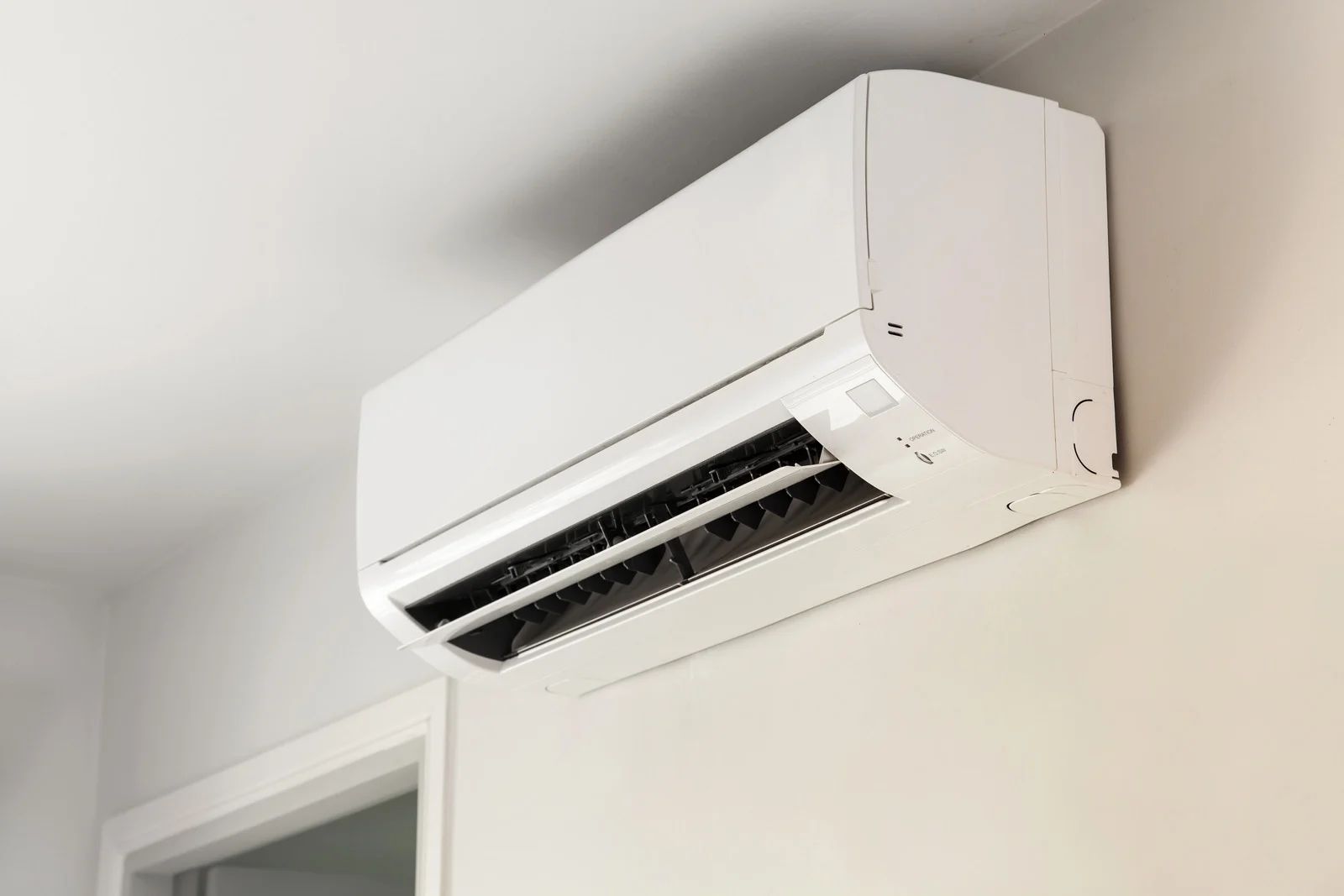
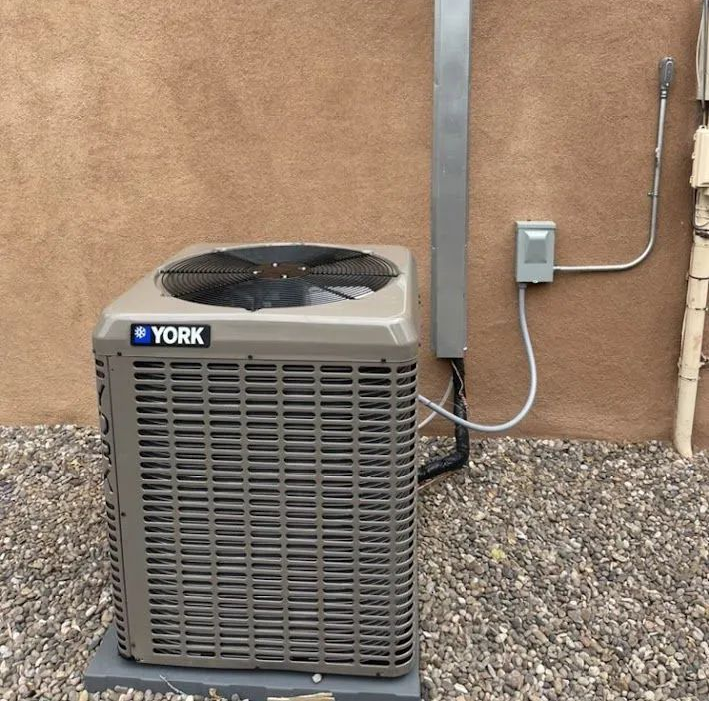
Emergency repairs often involve high-pressure situations with limited time for trial-and-error diagnostics. Contractors should demonstrate experience with diverse HVAC systems, including split systems, ductless mini-splits, furnaces, and heat pumps. This ensures that no matter your system type, the technician can identify and address issues accurately.
Access to Modern Tools and Technology
Proper diagnostic tools enable quick and accurate repairs. Contractors equipped with digital refrigerant gauges, infrared thermometers, and advanced leak detection systems can minimize downtime. For example, identifying a refrigerant leak early with specialized equipment prevents extensive damage to compressors or coils, saving the homeowner both time and money.
Troubleshooting Skills
Beyond tools, technicians’ troubleshooting abilities are paramount. Experienced contractors anticipate common problems and implement long-term solutions rather than temporary fixes. A professional approach can prevent repeat breakdowns, enhancing system longevity and efficiency.
4. Review Reputation and Customer Feedback
Research Reviews and Testimonials
Online reviews provide insights into contractors’ reliability, professionalism, and success with emergency repairs. Focus on feedback related to punctuality, responsiveness, and quality of work under time-sensitive conditions. Homeowners often share experiences detailing whether contractors arrived promptly during unexpected breakdowns or provided lasting solutions.
Ask for References
Direct references offer a more personalized understanding of contractor performance. Speak with past clients to confirm emergency response times, transparency in pricing, and overall satisfaction. Positive experiences from similar situations can give you confidence when selecting a contractor.
Consider Longevity and Local Presence
A contractor with years of experience and a solid local presence is likely to have built strong supplier relationships, access to parts, and community trust. This enhances their ability to provide rapid, effective emergency repairs compared to newer, less-established providers.
5. Compare Pricing and Service Transparency
Request Detailed Estimates
Even during emergencies, it’s important to understand costs upfront. Reputable contractors provide transparent estimates, breaking down labor, parts, and potential additional charges. This avoids surprise fees and allows informed decision-making under pressure.
Understand Emergency Service Premiums
Emergency repairs may involve premium rates due to off-hour work. Verify how contractors calculate these charges and confirm whether pricing is reasonable compared to standard service rates. Clear communication regarding premiums helps prevent disputes and ensures budget transparency.
Avoid “Too Good to Be True” Offers
Extremely low emergency rates might indicate substandard work, hidden fees, or inexperienced technicians. Prioritize contractors balancing fair pricing with proven expertise. The focus should be on long-term system reliability, not just the lowest immediate cost.
6. Consider Warranties and Follow-Up Support
Check Repair Guarantees
Reliable HVAC contractors back their work with warranties covering parts and labor. For example, a technician replacing a compressor or furnace component should offer a guarantee that ensures any premature failure is addressed without additional charges.
Ongoing Maintenance Support
Emergency repair is just one aspect of system care. Contractors offering follow-up inspections or preventive maintenance plans help reduce future emergencies. Proactive service can catch minor issues before they escalate, saving homeowners stress and repair expenses.
Emergency Support Plans
Some contractors offer subscription or membership plans providing prioritized emergency response and discounts on repairs. Such plans are valuable for homeowners and businesses dependent on uninterrupted heating or cooling. Knowing you have a reliable contractor ready at all times adds peace of mind.
7. Prioritize Energy Efficiency and System Compatibility
Evaluate System Requirements
During emergency HVAC repairs, it’s important to ensure the fixes or replacements align with your system’s specifications. Some contractors may offer solutions that are cheaper short-term but reduce energy efficiency or damage system components over time. Request that the technician checks your system’s capacity, refrigerant type, and age before implementing repairs.
Consider Energy-Efficient Upgrades
Emergency situations can also be an opportunity to improve long-term performance. For instance, replacing worn-out components with energy-efficient parts or modern thermostats can reduce future utility costs and prevent repeat breakdowns. An experienced contractor can recommend upgrades that maintain compatibility while improving overall system efficiency.
Real-World Example
A homeowner experiencing a sudden AC failure during summer might have the option to replace an old compressor with a high-efficiency model. Though slightly more expensive upfront, this prevents future emergencies and lowers electricity bills, making it a smart investment.
8. Verify Safety Compliance and Regulatory Standards
Confirm Safety Protocols
Emergency HVAC repairs can involve electrical work, gas lines, or refrigerants, all of which carry safety risks. A professional contractor should follow strict safety protocols, including proper shutdown procedures, personal protective equipment, and hazard assessments.
Check Local Code Compliance
All repairs must meet local building codes and manufacturer specifications. Contractors familiar with regulations ensure work is compliant, avoiding potential fines or insurance issues.
Expert Insight
Licensed technicians adhering to safety standards reduce liability risks for homeowners. For example, improper gas line repairs during an emergency could lead to dangerous leaks, but a certified contractor mitigates such hazards.
Key Takeaways for Selecting Reliable Emergency HVAC Services
Choosing the right HVAC contractor for emergency repairs is a critical decision that impacts comfort, safety, and system longevity. By carefully evaluating licensing, technical expertise, response times, reputation, pricing transparency, and warranties, homeowners and business operators can minimize stress and ensure reliable, timely repairs. Emergencies demand both skill and efficiency, making prior research and preparation essential to avoid costly mistakes or delays. Understanding these factors empowers property owners to make informed choices under pressure.
Enchanted Hills Mechanical, located in Rio Rancho, New Mexico, brings 15
years of experience delivering fast, dependable emergency HVAC repairs. Our team of licensed, certified technicians is trained to handle diverse heating and cooling systems, providing 24/7 support with transparent pricing and repair guarantees. We combine advanced diagnostic tools, expert troubleshooting, and personalized service to ensure comfort is restored quickly. Trusted in the community, Enchanted Hills Mechanical
is committed to reliability, professionalism, and long-term solutions, giving customers peace of mind whenever HVAC emergencies arise.